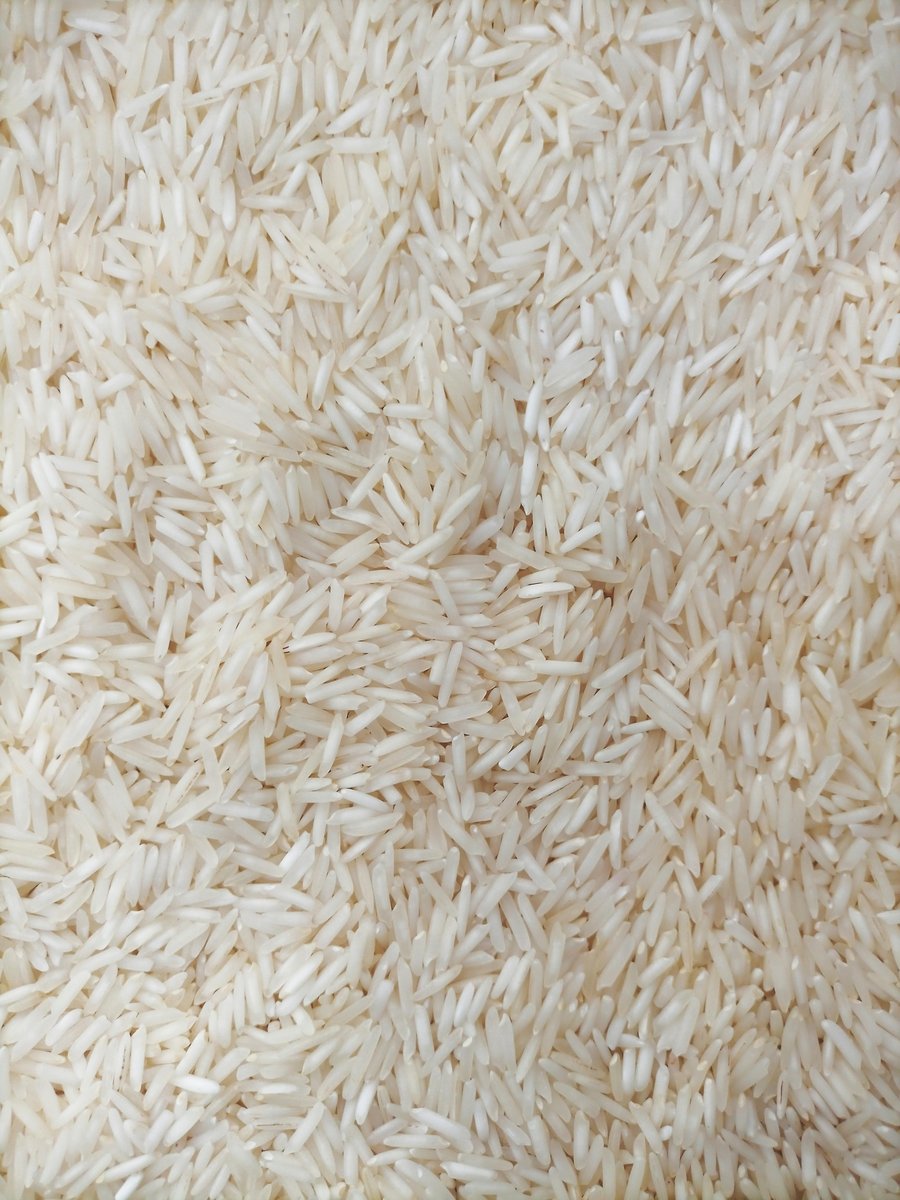
Fineshine Foods supplies premium Basmati Rice sourced directly from the finest growing regions of Asia. Our rice is aged for enhanced aroma, milled with precision, and delivered in full container loads to US wholesalers, distributors, grocery chains, and food manufacturers.
Every grain meets international specifications for length, moisture content, purity, and aroma — with full certification documentation included in every shipment.
Request a QuoteWe offer the full spectrum of Basmati and long-grain rice varieties to match every buyer segment — from premium retail to foodservice and manufacturing applications.
The flagship Basmati variety. Known for the longest grain length of any rice in the world (8.3mm+) and exceptional aroma. Favored for biryani and premium retail.
A premium Pakistani variety with thicker, fuller grains and rich aroma. Extremely popular with Middle Eastern and South Asian retail brands.
A high-yield hybrid Basmati known for excellent elongation and consistent quality. Widely accepted across global markets.
Parboiled Basmati with a golden tint — the grains remain firm and separate after cooking. Highly preferred for foodservice, catering, and commercial kitchens.
Steam-processed Basmati retains a whiter color than Sella while gaining better grain integrity. Popular with premium retail brands.
Unpolished Basmati retaining its natural bran layer — higher in fiber and nutrients. Growing demand in health food and natural grocery channels.
Basmati aged in climate-controlled conditions for at least 12 months. Aging concentrates aroma, reduces moisture, and improves cooking characteristics — the gold standard for connoisseurs.
Classic milled white Basmati — the everyday workhorse. Ideal for volume buyers seeking reliable quality at competitive pricing.
Classic long-grain Basmati following traditional milling standards. Balanced aroma and price for mainstream retail distributors.
Long-grain rice suitable for everyday cooking, foodservice, and institutional buyers. Available in white or parboiled finish.
Both Pakistan and India produce world-class Basmati rice. For US importers, understanding the differences — and current market conditions — helps inform better sourcing decisions.
| Attribute | Pakistani Basmati | Indian Basmati |
|---|---|---|
| Primary Growing Region | Punjab Province, Pakistan | Punjab, Haryana, Uttar Pradesh, India |
| Signature Varieties | Super Kernel, 1121, Kainat | Pusa, Traditional, 1121, Dehradun |
| Grain Character | Thicker, fuller grain, bold aroma | Longer slender grain, delicate aroma |
| Cooking Behavior | Firm, separates well, holds shape | Elongates dramatically, slightly softer |
| Aging Tradition | Strong aging culture, climate-controlled warehouses | Aging practiced across major mills |
| Preferred Markets | Middle East, EU, USA, Africa | Global, especially USA & EU |
| Current US Tariff Environment | Lower reciprocal tariff rate | Elevated reciprocal tariff rate |
| Current Price Position (CIF US) | More competitive | Higher post-tariff landed cost |
At Fineshine Foods, we work with vetted Asian manufacturers across multiple origins to offer our US buyers the flexibility to choose based on their specific business needs — whether that's grain character, price point, aging profile, or certification requirements.
We do not disclose specific supplier origins as a matter of standard merchant trading practice. This protects our supply chain integrity and ensures you receive consistent quality under the Fineshine Foods standard — backed by Certificate of Analysis, Halal documentation, and food safety certifications with every shipment.
| Parameter | Standard Range |
|---|---|
| Grain Length | 7.0 – 8.3 mm (variety dependent) |
| Purity | Minimum 95% |
| Moisture Content | Below 13% |
| Broken Grains | Below 5% (premium grades) |
| Foreign Matter | Below 0.1% |
| Chalky Grains | Below 3% |
| Damaged & Discolored Grains | Below 2% |
| Shelf Life | 12 – 24 months (in proper storage) |
| Packaging | 2 lb, 5 lb, 10 lb, 20 lb retail; 25 kg, 50 kg sacks |